





Table of Content
Marketers create new products through NFTs and Metaverse Experiences to expose their brands to consumers in new spaces or
communities. The use of tokens is revolutionizing the interaction with these brands teams. If you intend to invest in Web3 technologies, it’s a good idea to start with an understanding of why people buy NFTs. Brands are crafting their NFT strategies and utilities in many ways to revamp their brands, build communities, launch new products, and/or enhance existing ones.
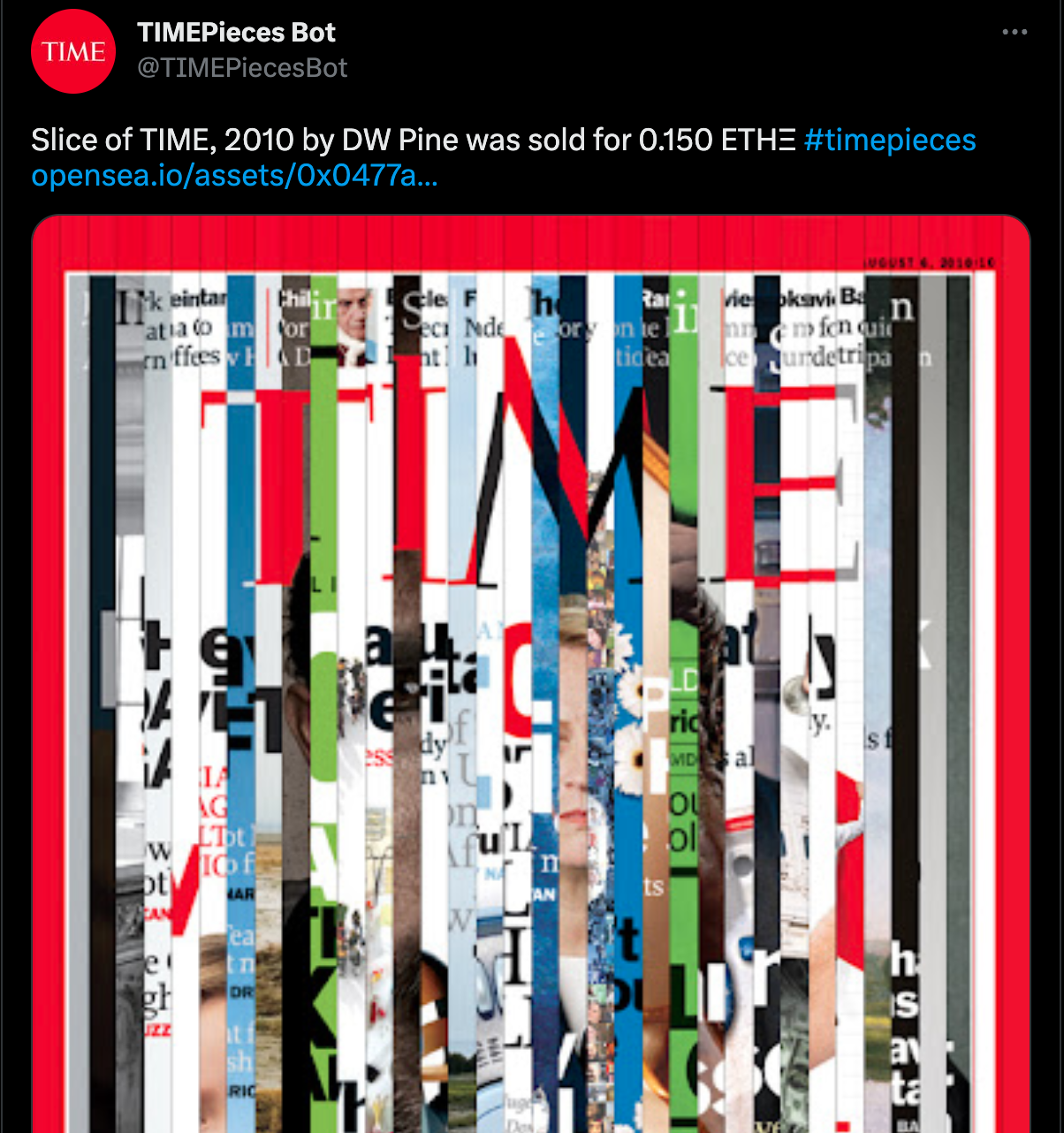
Image from Twitter: https://time.com/collection/timepieces-nft/
Web3 and blockchain technologies are founded on open-source technologies, where code is available for anyone to use and build on to create value. Blockchain technologies are helping to progressively decentralize systems and are becoming popular for creating new types of interactions and business transactions.
NFTs are representations of unique assets, physical or digital, traded on a blockchain (protocol network) that give users ownership rights and a certification of authenticity. NFT transactions are defined by smart contracts (software programs) with conditions and consensus rules and without a central authority. NFTs represent assets, collectibles, digital art, games, brands, etc.
Ethereum is the main software distribution platform for trading NFTs, where anyone can code a smart contract (program) with special functions and characteristics.
Brands Create New User Experiences
Users and their habits are evolving, and marketers are creating new experiences to engage with consumers of their brands, creating NFTs and virtual spaces in metaverses. Gen Z and Millennials, in particular, are the top consumer groups interested in buying NFTs.
Minting an NFT means converting data into digital assets and recording them in a decentralized database or distributed ledger.
Businesses can create value for their brands by selling NFTs (or digital twins) of physical products. In addition, enterprises can continue using Web 2.0 platforms while complementing operations in blockchain networks to start adopting decentralized operations.
Through NFTs, individuals are empowered to launch their own creations and develop their own businesses—especially Web3 artists, the next generation of artists and creators of content who can now enter a market with low barriers and tremendous opportunities.
Primary Purposes For Buying NFTs
• Participating in Communities and Special Interest Groups (Culture). NFTs can provide access to products or tools, discount clubs, venues, virtual events, etc. Consumers are interested in groups, such as CryptoPunks, for example, so they become engaged and purchase NFTs. A culture for Web3 users is emerging, including benefits such as access to a VIP area of a networking event, concert tickets, a limited collection of branded goods, royalties, auctions, etc.
• Making a Profit and/or Investing. Consumers with knowledge about market offers, demand, and products understand how much a product is worth and what possibilities exist for reselling and making a profit. Therefore, one of the main reasons to buy NFTs is to make money.
• Securing Digital Ownership Rights. NFTs recorded on the digital ledger cannot be edited, modified, or deleted, giving the owner a secure way to prove ownership. Through an NFT, for example, you can own a house, a car, a deed, etc., and it is easily located in the blockchain through its unique identification (hash).
• Collecting Digital Art. Many consumer groups consider owning digital art as a legitimate form of art collection. The concept of scarcity influences decisions, plus the online component connects buyers directly to art creators.
• Gaming. Games may be designed to use NFTs as representations of cards, avatars, real states, etc. Players can earn NFTs for playing, trade NFTs with other players as game currency, and sell them in the open market.
• Achieving Social Status. People are now buying NFTs as status symbols. Many have made millions with cryptocurrencies, and they use these purchases socially and benefit from the influence of being part of an NFT collection, group, or community, hanging out on platforms such as Discord or Twitter with their shining profiles.
Key NFT Features That Motivate Consumers To Buy
Transaction transparency

Certificate of asset authenticity

Digital ownership rights

Cryptography and digital signatures

User controls personal information
Trust due to principle of immutability
Transaction transparency
Certificate of asset authenticity
Digital ownership rights
Cryptography and digital signatures
User controls personal information
Trust due to principle of immutability

History and transaction records
Marketplaces such as Instagram are actively planning to launch a feature to mint and purchase NFTs, an example of a large community where users are already participating and will be exposed to NFTs.
As Web3 continues to evolve, more companies are becoming interested in creating NFTs, becoming familiar with how to incorporate NFTs into their marketing strategies, and developing a better understanding of why people are buying NFTs.
A key aspect of purchasing NFTs is that buyers can prove the digital ownership of assets, which will spur the launching of many new digital products. However, NFTs are still a new technology with many speculations, downsides, and aspects that are not yet fully understood.

Honestly, the whole NFT craze still feels like a novelty to me, but I guess it’s cool that marketers are experimenting with it. NFT benefits might be worth exploring in digital transformation initiatives tho! 🤖💻
Idk, but i think the author kinda glosses over the nft benefits, like how they can be used for interactive storytelling and immersive experiences 🤔. need to dive deeper into this space tho!
I’ll give it to you – the post does an adequate job highlighting the potential of NFTs in branding. However, it glosses over the fact that only a select few are actually pushing the boundaries of nft art.
I’m intrigued by the discussion on why people buy NFTs, but I remain skeptical about the hype surrounding them – after all, why buy NFTs when you can simply access digital content online?
I completely agree that NFTs are revolutionizing the way we interact with unique assets! As an engineer, I’ve seen firsthand how blockchain technologies are democratizing access to digital collectibles. By leveraging decentralized systems, creators can now mint and sell their own digital art, music, or even virtual real estate directly to enthusiasts. Exciting times ahead for NFTs and Web3!
I completely agree with this assessment! The intersection of digital art and collectibility is especially fascinating. In fact, I’ve seen a rise in popularity for crypto art – unique, verifiable, and tradable digital artworks that are now being sold for thousands of dollars. This trend only underscores the potential for NFTs to democratize art ownership and community engagement.
As a seasoned engineer familiar with Digital Transformation, I appreciate the author’s emphasis on marketers leveraging NFTs to create immersive brand experiences. The concept of tokens is indeed revolutionizing consumer-brand interactions. I’d like to add that NFT benefits extend beyond mere marketing gimmicks; they can also be used to create scarcity, authenticity, and ownership in digital assets – fostering deeper connections between brands and their communities.
Just wanted to add that with the rise of metaverses, NFT uses will only become more prevalent! Imagine being able to use your NFT as access to exclusive virtual events or experiences. I think this is where the real innovation happens – not just buying and selling, but actually engaging with the community and owning a piece of digital history. Keep pushing the boundaries!
I totally agree! The concept of tokenized ownership is a game-changer 🤯. In addition to demonstrating digital ownership, NFTs also provide a unique opportunity for creators to monetize their work in new and innovative ways 💸. By leveraging the nft benefits, artists can now earn passive income from their digital creations, paving the way for a more decentralized and inclusive art economy!
I completely agree that NFT benefits are being increasingly realized by artists, musicians, and even businesses! I’d like to add that blockchain’s decentralized nature allows for transparency and immutability of ownership records. This ensures the authenticity of unique digital assets, such as art pieces or collectibles, which can increase their value and scarcity. Great blog post!
I completely agree that NFT adoption will continue to grow as more mainstream platforms integrate support for these digital assets. The concept of scarcity and exclusivity inherent in NFTs is particularly appealing, especially in the context of crypto art, where unique digital pieces can be created and owned by a select few. This is an exciting space to watch unfold!
I absolutely love this post! 🙌 As a data scientist with extensive experience in Digital Transformation, I completely agree that blockchain technologies are revolutionizing the way we interact and do business. The emergence of NFTs is particularly exciting, especially in the realm of blockchain art! 💡 The concept of decentralized ownership and authenticity verification is a game-changer for creators and collectors alike. Keep up the great work, author! 👏
I completely agree that NFTs are transforming the way we interact with unique digital assets. In fact, the intersection of blockchain tech and crypto art has opened up new avenues for artists to showcase their work and connect directly with collectors. I’d love to see more exploration of how smart contracts can be used to create dynamic ownership experiences!