
Change Control: Protecting Project Quality
Teams can evaluate requests, manage scope adjustments, and protect project timelines and budgets, ensuring every decision remains aligned with defined objectives and overall project quality.

Change Control: Protecting Project Quality
In any custom software project, change is a natural and often valuable part of the journey. Business priorities shift, new opportunities emerge, and user feedback provides critical insights. The success of a project is determined not by preventing all change, but by managing it through a disciplined, structured process.
Effective change control is the structured process for navigating this reality. It is the framework that protects a project’s budget, timeline, and quality by transforming potential complications into smart, informed business decisions. A formal approach is essential for protecting your investment and ensuring a successful outcome.
Change Control vs. Change Management
While change management often refers to guiding people through organizational shifts, in a software project change control is the structured, technical process that ensures every relevant modification is evaluated, approved, and implemented with clarity and rigor.
Structured Process
Change Control

Scope Governance

Project Protection
The Importance of a Disciplined Change Process
Our process is built on three core pillars that provide you with clarity, predictability, and a foundation of trust throughout the partnership.
Maintains Budgetary Control and Predictability
The primary benefit of a formal process is that it mitigates unmanaged “scope creep”—the leading cause of budget overruns and project delays. It ensures that every new request is subject to a thorough impact analysis that evaluates its effect on the project’s cost and schedule. This transforms a potentially costly request into a conscious business decision, empowering you to make informed trade-offs and maintain control over your investment.
Safeguards Software Quality and Long-Term Stability
Without a defined process, changes made under pressure can often bypass critical testing and validation, introducing bugs, security vulnerabilities, and system instability. A professional change control process ensures that every modification adheres to the project’s quality assurance standards, protecting the quality and long-term stability of your final product.
Fosters a Transparent and Aligned Partnership
A structured process creates a single source of truth for all project modifications. It requires that all changes are documented, reviewed, and clearly communicated to all stakeholders. This level of transparency and mutual accountability is the foundation of a healthy and trusting client-vendor relationship, ensuring all parties remain perfectly aligned on the project’s evolving objectives.

Our Change Control Workflow
Our workflow is designed to be straightforward and efficient, built on a foundation of clear roles and responsibilities to allow for smart, agile decisions without unnecessary bureaucracy.
1. The Change Request & Impact Analysis
Any proposed modification begins with a formal Change Request, typically initiated by a key project stakeholder. Upon receipt, our Project Team conducts a swift Impact Analysis to determine the precise effect the change will have on the project’s scope, timeline, and budget.
2. The Collaborative Review & Decision
We then present the Change Request and our Impact Analysis to the designated Project Leadership. This provides your team with all the necessary data to make a clear, strategic business decision: Approve, Defer, or Deny the request.
3. The Formal Update & Implementation
If the change is approved, our Project Manager formally updates the project’s core documents, including the Scope of Work and project timeline. This ensures the project plan is always accurate before the change is integrated into the development workflow.

Ready to Start Building Your Project?
If you are ready to move forward, let’s begin the conversation. Schedule your free, no-obligation Discovery Call to discuss how our process can help you achieve your project’s goals.
The Foundation of Effective Change Control
A process for managing change can only work if it has a clear, stable baseline to measure against. You cannot manage what you have not defined. This is why a comprehensive and mutually agreed-upon Scope of Work is the starting point for any successful project. The clarity and detail established during the Krasamo Discovery Process create the essential foundation needed to manage project evolution with confidence and predictability.
Effective change control not only safeguards delivery but ensures your project scope remains clear, controlled, and well-managed.
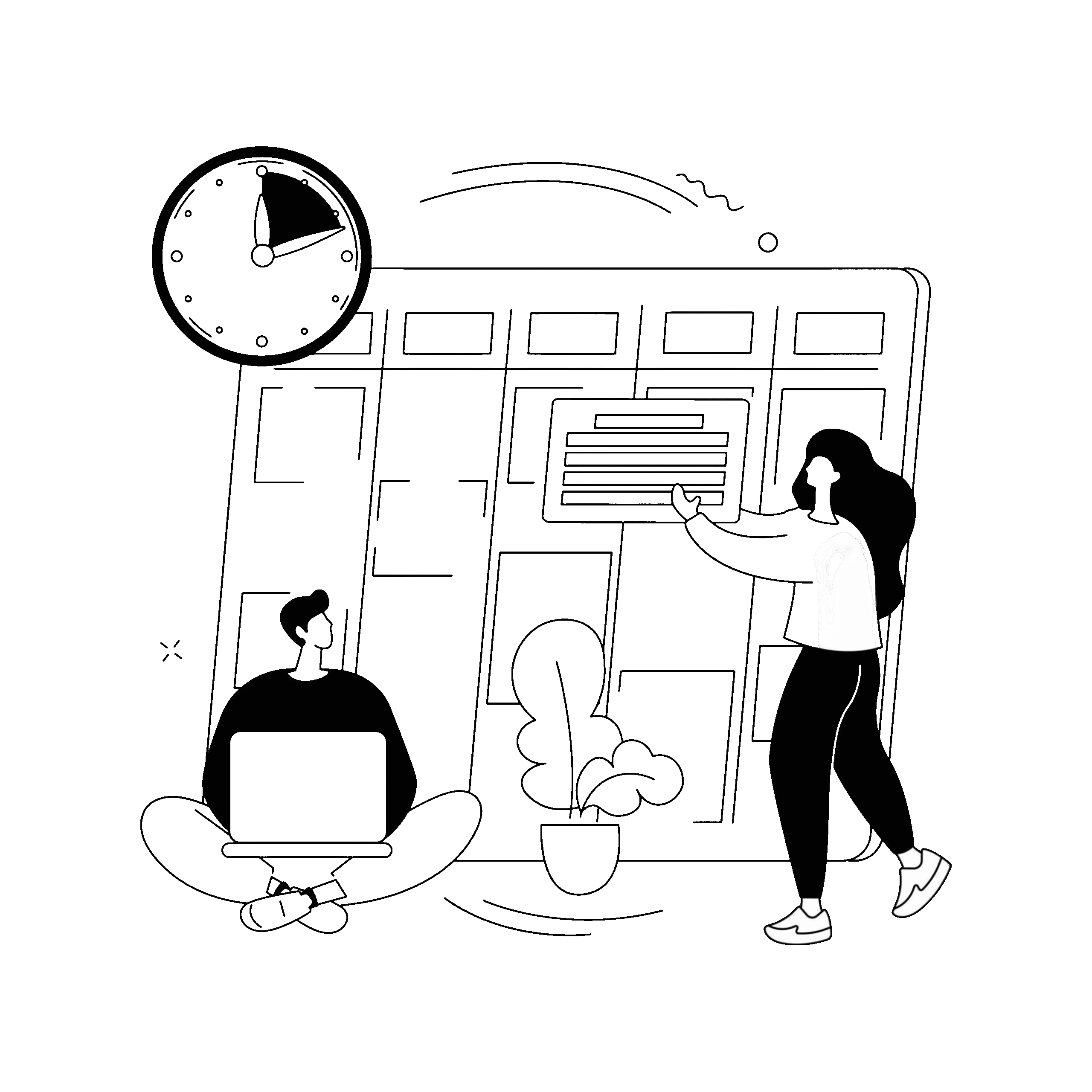
Doing Business with Krasamo

Discovery
Process

Models
Management

Architecture
Kickoff
Maintenance

Requirements
& Vendor Indep


Documentation
Control
Software Cost
Work

Assurance

Formation

Analysis
Process
Work
& Vendor Indep
Management
Documentation
Kickoff
Analysis
Software Cost
Requirements
Models
Assurance
Architecture
Formation
Control
Maintenance