
Software Documentation Across the Development Lifecycle
Software documentation is not a final deliverable, it is a continuous discipline that supports clarity, decision-making, and long-term maintainability across every stage of the development lifecycle.
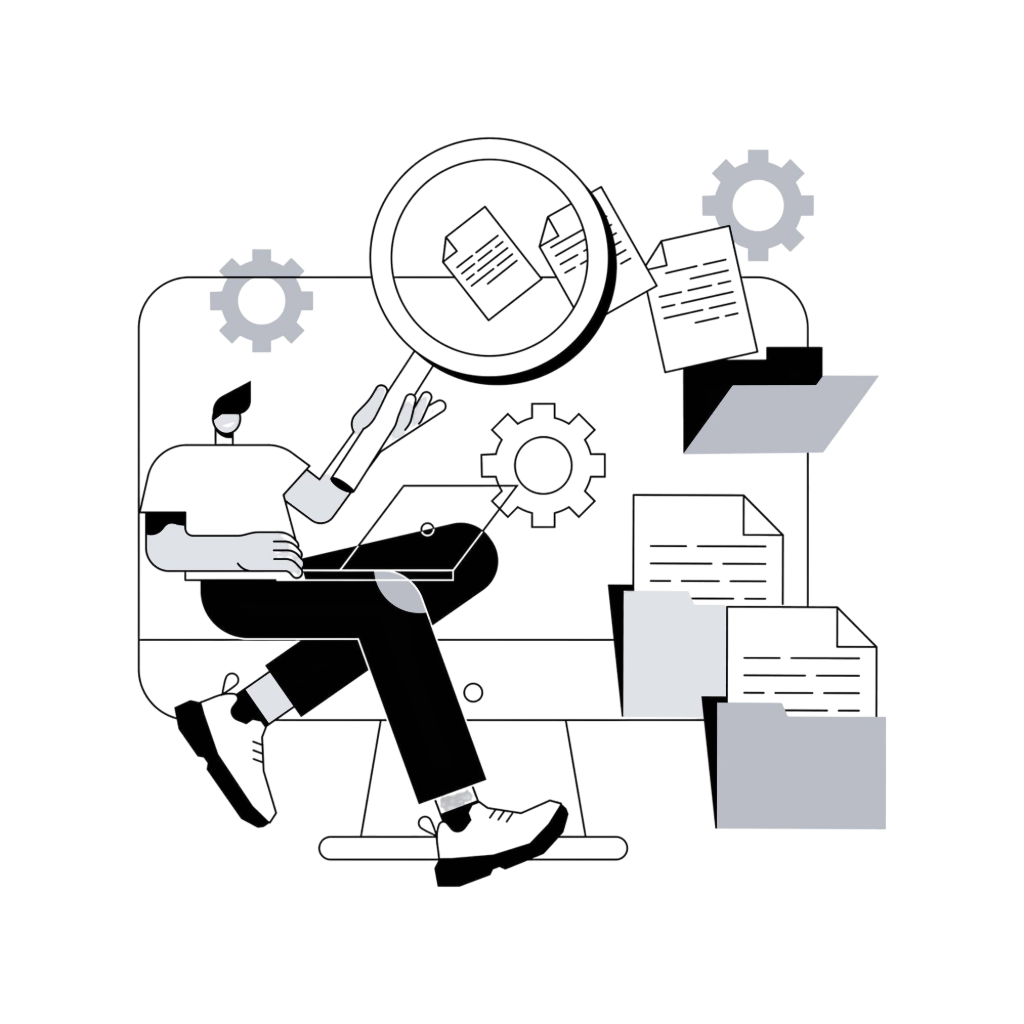
Software Documentation Across the Development Lifecycle
When organizations think about software documentation, they often picture code comments or a technical manual delivered at the end of a project. In practice, strong documentation is much broader than that. It is a lifecycle discipline that supports clarity, decision-making, verification, handoff, and long-term maintainability from the earliest stages of a project through release and ongoing support.
At Krasamo, we treat documentation as a responsibility of each software engineer. It is shaped by stakeholder needs and connected to requirements, design, testing, release, and maintenance activities across the software lifecycle.
This distinction matters when evaluating a new software development partner. The real question is whether that partner can provide the documentation needed to keep the project understandable, verifiable, operable, and transferable over time.
Good documentation reduces ambiguity during discovery, supports better decisions during delivery, and can help organizations avoid unnecessary dependency after launch. This article highlights a few important aspects worth discussing before starting a software project.

Lifecycle Documentation

Clarity and Decision Support

Verification and Handoff Readiness

Long-Term Maintainability
Documentation in Software Projects
Documentation takes different forms depending on its audience and purpose, from requirements and design records to testing, release, operational, and maintenance documentation.
Documentation begins with requirements that are clear enough for stakeholders, users, architects, designers, and developers to examine and confirm that they are understandable, consistent, complete enough for the current stage, and sufficient to support the work ahead. Requirements also benefit from review across multiple perspectives, including customers and the engineers building the system.
Architecture and design are also part of the documentation picture. This is where the team records how the system is structured, what major decisions were made, and why. Architectural and design decisions are most useful when they are captured together with their rationale.
For organizations, that matters because software often becomes costly to change when key design decisions and trade-offs were never captured clearly.
Code-level documentation also plays an important role during implementation. Clear naming, useful comments, and consistent in-code guidance help developers understand how the software works and make it easier to build, review, and maintain.
Testing is another critical documentation layer. It belongs within a formal engineering process that includes planning, maintenance of test-related documentation, test reports, and completion reports communicated to stakeholders. These materials are not just descriptive. They are evidence that the system has been verified against expectations.
Release and operational documentation matter just as much. This includes the identification, packaging, and delivery of executables, release notes, configuration data, and installation or upgrade instructions. This is where a project becomes usable in the real world for the organization. A system that works in development but lacks well-formed release and operational documentation can still create deployment risk, support confusion, and long-term dependency.
Finally, documentation must continue into maintenance. Maintainers handle documentation work just as they handle analysis, design, coding, and testing, and they must update it as baselines change. Clear and concise documentation is essential when software must be modified later.
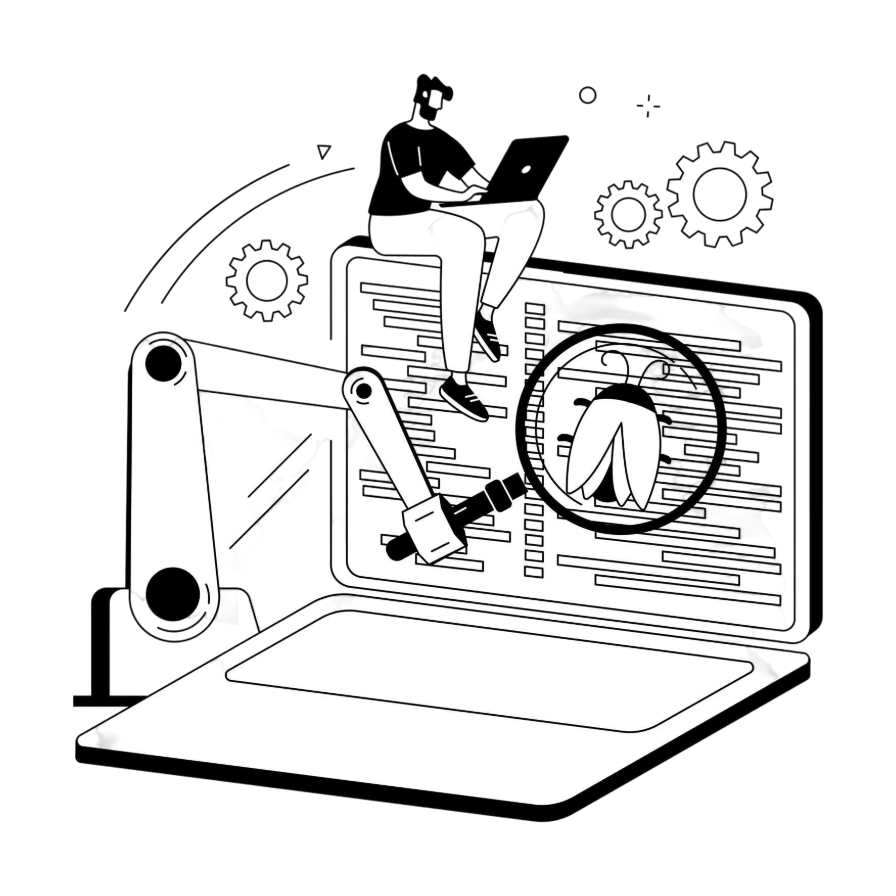
AI-Assisted Development and Documentation
Many development teams now use AI tools to help draft code, generate tests, and speed up reviews. These tools can accelerate delivery, but they can also produce outputs that look correct while missing requirements, misusing APIs, or introducing security issues. For that reason, AI-generated work still requires the same engineering discipline: clear requirements and acceptance criteria, documented decisions and trade-offs, and verification evidence that stakeholders can trust.
Organizations should also agree on simple guardrails early, including what tools are allowed, what information can be shared with them, and how AI-generated code and documentation are reviewed before they become part of the system.
Why Documentation Matters
Organizations often encounter documentation issues long before they recognize them as documentation problems. They can appear as scope confusion, disputed assumptions, unclear estimates, weak test evidence, fragile handoffs, or unexpected difficulty bringing in a new team later. Strong documentation practices reduce these risks by making the project easier to understand and govern from the start.
This is especially important during discovery, when a project idea becomes a buildable plan. If requirements, assumptions, decisions, and constraints are not documented well in that phase, the project can rest on interpretation rather than shared understanding. Strong documentation helps both the organization and the development partner align on scope, constraints, priorities, risks, and acceptance expectations before larger commitments are made.

Ready to Start Building Your Project?
If you are ready to move forward, let’s begin the conversation. Schedule your free, no-obligation Discovery Call to discuss how our process can help you achieve your project’s goals.
Top Documentation Concerns
1. Scope clarity
Organizations want to know what is in scope, what is not, what assumptions are being made, and what still needs clarification. Strong requirements documentation helps establish that baseline and reduces the chance that “understood” means different things to different people. That depends on clarity, completeness, and review from multiple perspectives.
2. Design transparency
A software partner should not leave the organization with a black box. Good documentation explains how the system is structured and why major decisions were made. This becomes particularly important in systems that depend on integrations, scalability, security, operational reliability, or future enhancements. Design rationale makes future change more manageable and reduces reliance on tribal knowledge.
3. Verification and acceptance evidence
A capable partner should be able to demonstrate how the software has been verified. Test documentation, test reports, and completion evidence help move acceptance from opinion to proof. That partner should also be able to show how requirements connect to verification and acceptance evidence, and how quality evidence is generated throughout delivery.
4. Operational readiness
Software is not complete when coding ends. Organizations need to know that releases, environments, upgrade paths, and operational instructions are documented clearly enough for deployment and support. Release notes, installation guidance, and version descriptions are not administrative extras. They are part of responsible software delivery.
5. Maintainability and transferability
Organizations need the option to bring in another team, internal or external, to understand and evolve the system later. If the organization acquires the source code or the right to modify it, documentation needs to include functional specifications, software design, the test suite, and the required operating environment. That is a strong benchmark for what real project ownership should look like.
6. Documentation discipline over time
Documentation needs to stay aligned with the actual product as it evolves. This includes auditing and configuration practices that keep design and reference materials consistent with the software as built, and keep evolving documentation aligned with the current baseline.
Software Documentation FAQs
Will we understand what was built and why?
That is the standard expectation. A capable software partner documents requirements, architecture, design rationale, and key trade-offs clearly enough that your team can understand the product beyond the source code alone. If that logic exists only in the heads of the vendor’s developers, the project carries long-term risk.
How can we verify that the software meets requirements?
A disciplined team connects requirements to testing and acceptance evidence. That includes plans, reports, and other records showing whether requirements have been satisfied. Verification and validation should be visible in the project record, not left to assumption.
Will we be able to operate the software after delivery?
You should expect release, installation, upgrade, and environment documentation that supports real-world deployment and ongoing support. Delivery should include more than code. It should also include the information needed to put the software into service reliably and support it over time.
Could another team maintain or extend the system later?
A new team will spend most of their early time trying to understand what exists before they can safely change anything. Strong documentation reduces that period significantly. It also needs to be kept current as baselines change, because what was accurate at launch becomes a problem if it no longer reflects the system as built. That is what protects your future options, whether the next team is internal, outsourced, or mixed.
How does documentation stay current over time?
That depends on process discipline. Documentation has the most long-term value when it is treated as a living engineering asset rather than a one-time deliverable. Maintenance, configuration management, and audit practices are what keep it aligned with the software as it evolves.
Start with Discovery
Doing Business with Krasamo

Discovery
Process

Models
Management

Architecture
Kickoff
Maintenance

Requirements

& Vendor Indep

Documentation
Control
Software Cost
Work

Assurance


Formation

Analysis
Process
Work
& Vendor Indep
Management
Documentation
Kickoff
Analysis
Software Cost
Requirements
Models
Assurance
Architecture
Formation
Control
Maintenance