
Industrial Design for IoT Products
Good engineering is expected, but good design Is what gets noticed. Krasamo’s industrial design practice gives your smart hardware the form, feel, and finish that competitive hardware demands.

What Is Industrial Design?
Industrial design is the discipline that defines a product’s physical form and user interface. It brings together aesthetics, ergonomics, and manufacturability into a single, coherent design, determining the enclosure shape, materials, surface finishes, and the way users physically interact with the device through buttons, displays, indicators, and controls.
In the context of IoT, industrial design carries a weight that goes beyond appearance. The physical device is the most immediate expression of your product. It is what a buyer holds in their hands, what an operator interacts with on the factory floor, and what a consumer sees on their shelf, influencing how the product is perceived, adopted, and sustained over time. Before any data is transmitted or any insight is delivered, the device itself makes a statement about the quality and trustworthiness of your entire platform.
At Krasamo, we treat industrial design as a core engineering activity, not an afterthought. Our designers work in parallel with mechanical, electrical, and firmware teams from the very first day of a project, ensuring that every form decision is grounded in function and every engineering constraint is resolved without sacrificing design integrity.

Form Defines Experience

Trust & Perception

Integrated Engineering Approach

Function-Driven Integrity
Elements of Industrial Design in IoT
Industrial design in IoT is not a single activity. It is a discipline composed of interconnected practices, each shaping the others as the product takes form and informed by the technical realities of IoT hardware, including antenna keep-out zones, PCB geometry, thermal requirements, and battery constraints.
Enclosure & Styling
The enclosure is the product’s physical identity, defined by its housing geometry, overall proportions, and visual character. Good enclosure design resolves the internal constraints of IoT hardware, including circuit boards, batteries, antennas, and connectors, while producing a form that communicates quality, purpose, and brand. It is what users see, touch, and judge before anything else.
HMI Layout — Buttons, Displays & Indicators
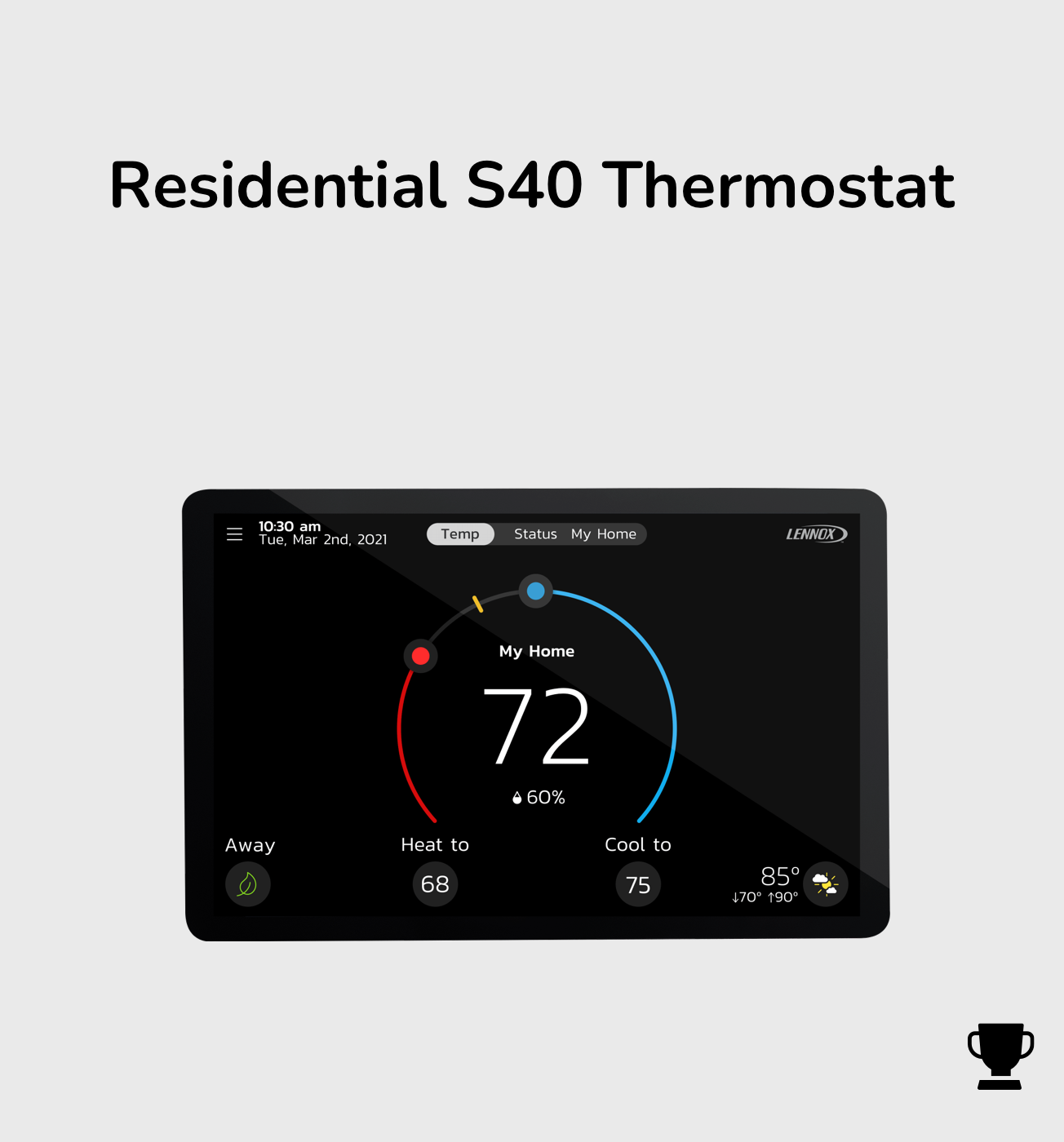
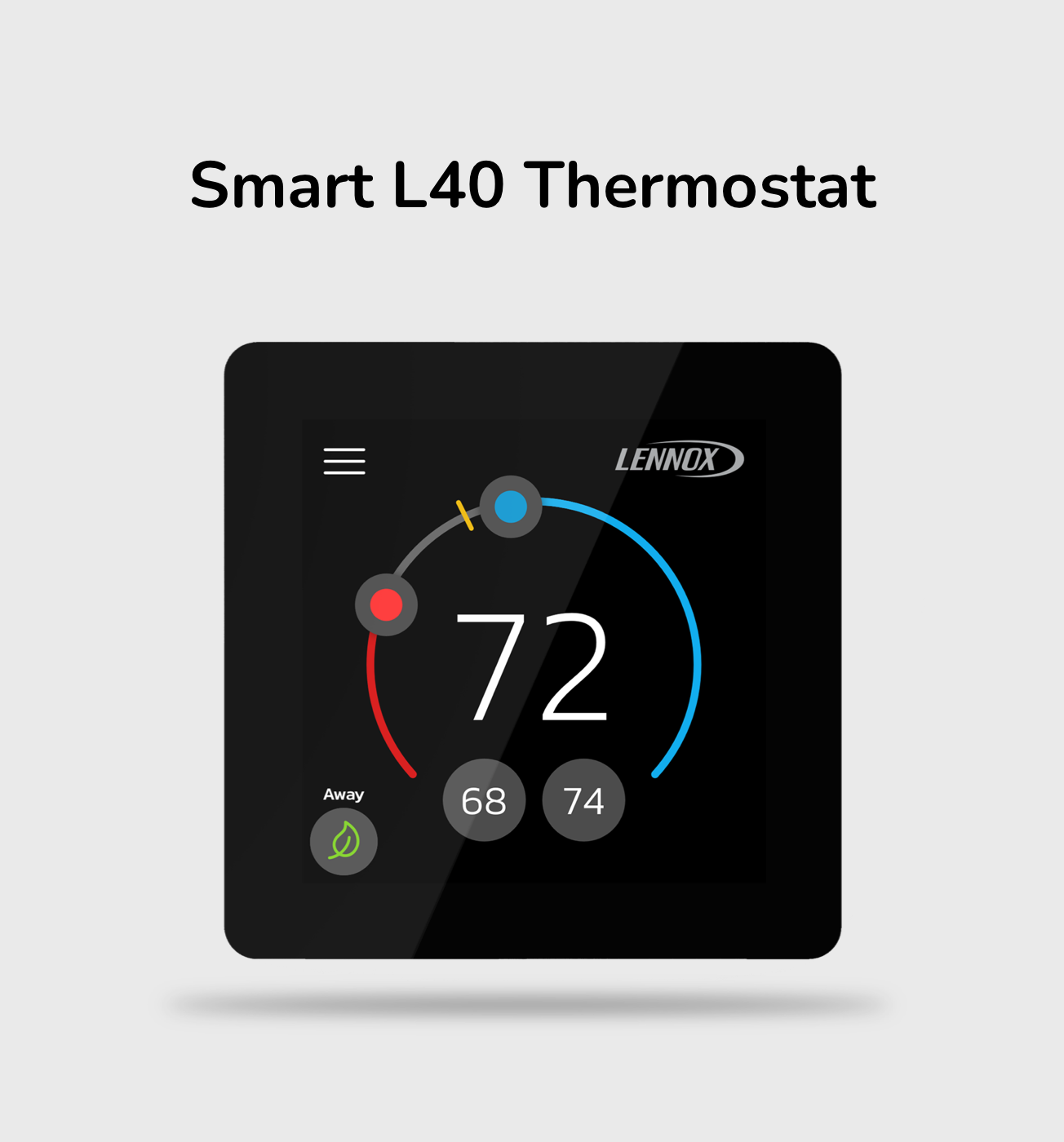
The Human-Machine Interface (HMI) defines every point at which a user physically interacts with the device: buttons, keypads, displays, LED indicators, charging ports, and status lights. HMI layout is a core industrial design task, developed in parallel with the internal electronics layout to ensure every control is intuitively positioned, every indicator is clearly visible, and the physical interface remains consistent with the digital experience.
Ergonomics & Human Factors
Ergonomics determines how the product performs when a real person uses it in a real environment. Size, weight, grip geometry, button reachability, and display angle are all ergonomic decisions with direct consequences for user comfort, operational efficiency, and error reduction. Our designers conduct human-factor analyses for every project, always asking: Who is this user? Where and how will they use this device? Is it intuitive and durable for that context?
Color, Material & Finish (CMF)
CMF design governs the tactile and visual qualities of a product beyond its shape. Material selection affects weight, durability, thermal behavior, and perceived quality. Surface finish choices, including texture, gloss level, and coating type, determine resistance to UV exposure, chemicals, and mechanical wear. Color communicates brand identity and, in industrial contexts, can encode operational states or safety conventions. CMF decisions are documented in a formal specification that guides consistent styling across an entire product family.
Usability & Physical User Experience
Physical usability is the sum of all tactile and perceptual qualities that determine how satisfying a device is to use, including button travel and feedback, display readability in varying light conditions, mounting ease, cable management, and the overall hand feel of the device. While UX/UI design governs the software experience, industrial design owns the physical interaction layer, and for many IoT devices it is the primary driver of operational usability, user satisfaction, and long-term adoption.
Design for Manufacturing & Assembly (DFMA)
A design that cannot be manufactured efficiently is not a finished design. DFMA integrates production thinking into the creative process from the outset, evaluating wall thickness and draft angles for injection molding, rationalizing part count to reduce assembly complexity, standardizing fasteners, and specifying parting lines that minimize tooling cost.
Ready to Turn Your Product Concept into Reality?
Our approach ensures that every design decision supports usability, manufacturability, and long-term product performance. Take the next step with our team.
Industrial Design Across Your IoT Project
Industrial design is active at every stage of IoT product development, from the first conversation about what your product should be through the factory samples that must match your design intent before a single unit ships. Here is where it fits in your project and what it delivers at each stage.

1. Discovery & Concept

2. Architecture & Detailed Design

3. Prototyping & Validation

4. Engineering Validation (EVT / DVT)

5. Manufacturing Handoff & Production Support

6. Launch & Iteration

Work That Speaks for Itself
Industrial Design Built for Real-World IoT
Product design ends when the decisions are made: what should be built, why it matters, how it should work, and how the system fits together. Our product design practice transitions directly into engineering execution led by the same teams who made the design decisions.

Working Across Your Engineering Team
Mechanical Engineering
Electrical & PCB Engineering
Firmware & Embedded Systems
Industrial design defines the physical interaction elements — button placement, LED behavior, display integration, haptic feedback — that firmware must implement. Early alignment between both teams prevents costly late-stage interface mismatches.
UX / Software Design
Manufacturing Engineering
Built on Partnership and Trust

















More Services For You






Mobile App
Development
Development
Design
Let's Talk About Your Product
Bring your project brief, or just your questions. If you’re starting a new product or rethinking an existing one, a discovery call is the right next step. There is no commitment, just a focused conversation about your product goals, constraints, and the design decisions that will shape what comes next.